Coastal Storage Tips for Half Moon Bay Belongings
Storing near the coast is not quite the same as storing inland. The mistake many renters make is assuming the unit does all the work. A good unit matters, but in Half Moon Bay, where foggy, damp days are part of local life, packing choices matter too. The better approach is to think in layers: choose the right space, pack for moisture awareness, and organize the unit so you can get to what you need without digging.
This guide is for local households, small businesses, and project-heavy renters using storage around Princeton by the Sea, El Granada, Miramar, and the surrounding coastside.
Start With the Items Most Sensitive to Coastal Conditions
The first step is separating items that need extra protection from items that can handle normal storage conditions. Papers, photos, fabrics, electronics, unfinished wood, and metal tools deserve more attention near the coast.
Use sealed plastic bins for documents, fabric, and small electronics when possible. Cardboard can still work for many belongings, especially short-term storage, but it should be clean, sturdy, and kept off the floor. For metal tools or equipment, wipe them down before storing and avoid putting damp items away “just for now.” That little shortcut can turn into surface rust faster than people expect.
We usually suggest thinking in zones. Put the most moisture-sensitive items in the most protected containers, then place them where they are easy to inspect later. If you are storing household extras, seasonal gear, and business materials together, avoid mixing delicate items into random boxes. Label them clearly and keep them together.
For more common local storage questions, our
Half Moon Bay storage FAQ is a helpful place to start.
Use Height and Layout Instead of Cramming the Floor
A well-packed unit should use vertical space without turning into a leaning wall of boxes. At Mission Storage, many storage spaces are built with tall ceilings, and larger units may include mezzanine or loft space. That can be a real advantage when you want separation between categories, not just more square footage.
Here is the practical way to think about it: heavier, durable items belong low; lighter, less frequently needed items can go higher. Seasonal bins, empty coolers, luggage, and boxed decorations are usually better candidates for upper storage than heavy appliances or awkward furniture.
Leave yourself a center path if you plan to visit more than once. It does not need to be wide, but it should be usable. A narrow walkway can save a lot of time when you need one business tote, one camping bin, or one set of holiday decorations and do not want to unload half the unit.
If you are comparing spaces, the Mission Storage size guide explains available sizes such as 8' x 16', 10' x 24', 12' x 30', and 24' x 30', along with general planning steps.
Pack for Drive-Up Loading Days, Not Just Storage Day
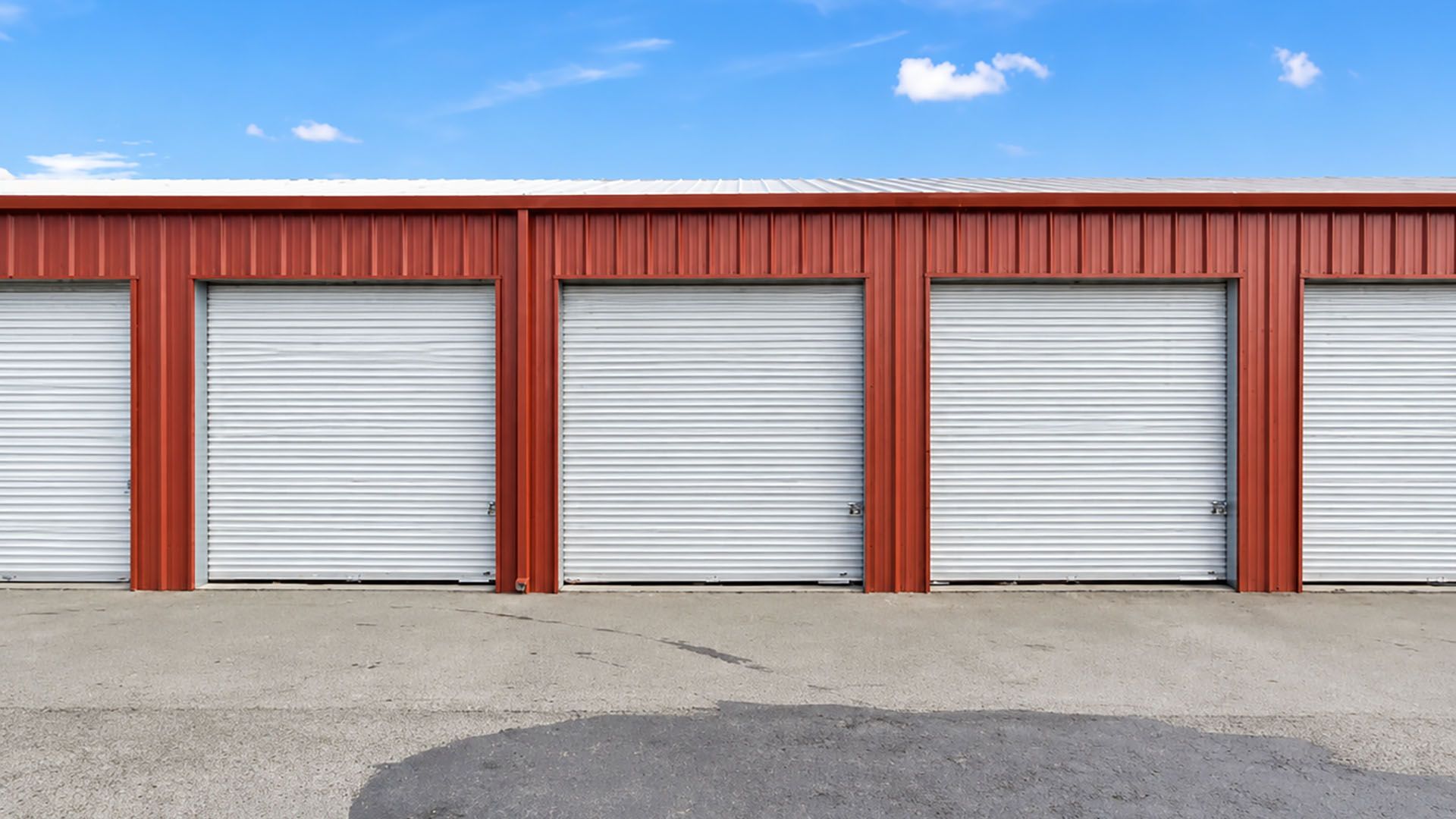
Drive-up storage is most useful when your boxes and furniture are staged for quick loading and unloading. Since Mission Storage offers drive-up access and ground-floor storage, you can plan around fewer long carries, which is especially helpful for heavy boxes, tools, furniture, and business inventory.
Before move-in day, group items by where they should land in the unit. Put long-term items first. Keep frequently used items toward the front. If you are storing work materials, put active supplies where you can reach them without climbing over household boxes. For coastal renters juggling garage overflow, outdoor gear, and business items, that small bit of order makes repeat visits much easier.
This is also where wide drive aisles and oversized roll-up doors matter. They support a more straightforward move-in, especially if you are bringing a truck, trailer, or larger furniture. Still, the best loading days are planned before you arrive. Break down shelving when possible. Wrap furniture before it leaves home. Keep hardware in labeled bags taped to the item it belongs with.
Simple, but it works.
Give Outdoor Gear and Work Equipment a Different Plan
Coastside storage often includes more than spare furniture. Renters around Half Moon Bay may be making room for seasonal gear, tools, project materials, office overflow, or equipment that does not belong in a crowded garage. Those items need a slightly different system.
Outdoor gear should be cleaned and dried before it goes into storage. Even if something looks dry, give it time to air out first. For tools, keep small parts together and use bins or cases that close securely. For business supplies or office furnishings, label boxes by department, project, or use frequency rather than by a vague room name.
If you are storing inventory or project materials, avoid stacking everything by size alone. Stack by how often you need it. Fast-moving items near the front. Archive boxes or rarely used equipment toward the back. This advice sounds obvious until someone needs one box buried behind a sofa and a shelving unit.
Mission Storage also has a dedicated flex storage space page for renters who need room for work, projects, enclosed storage, or larger setups.
Choose a Unit Size That Gives You Room to Manage the Space
The right size is not always the smallest space that technically fits your belongings. In coastal storage, a little breathing room can help you organize better, keep items accessible, and avoid packing sensitive belongings too tightly against each other.
An 8' x 16' unit may work for smaller household needs, seasonal gear, small furnishings, or office supplies. A 10' x 24' space gives more room for larger household items and renovation or moving needs. Larger options, including 12' x 30' and 24' x 30', may be better suited for bigger household loads, equipment, or larger storage plans. Availability can change, so it is always worth checking current options before you plan the whole move around a specific size.
For renters who are not sure where to start, make a quick list in three columns: must store, might store, and needs easy access. That third column is the one people forget. If you need to reach something every month, do not choose a layout that hides it behind everything else.
How Mission Storage Helps Half Moon Bay Renters Store Smarter
Mission Storage is built for practical storage needs in Half Moon Bay, with drive-up access, ground-floor spaces, tall ceilings, and larger units designed to support more than basic household overflow. For local renters dealing with coastal conditions, garage crowding, business supplies, or project materials, the goal is not just to find extra room. It is to find space you can actually use well.
Before you rent, think through what you are storing, what needs extra protection, and how often you will visit. Then choose a layout that supports that plan instead of fighting it.
You can review current options on the Mission Storage Half Moon Bay facility page or contact the team with questions about unit layout and sizing.
Frequently Asked Questions
What is the best way to store items near the coast in Half Moon Bay?
Use sealed bins for moisture-sensitive items, keep delicate belongings off the floor, and avoid storing anything while it is still damp. Papers, fabrics, electronics, and metal tools should get extra protection.
Should I use cardboard boxes or plastic bins for storage?
Both can work, but plastic bins are often better for items that need more protection. Cardboard is fine for many short-term or durable items if the boxes are clean, sturdy, labeled, and kept organized.
How should I organize a storage unit I plan to visit often?
Keep frequently used items near the front, leave a small walkway, and group boxes by use instead of only by room. For example, “active business supplies” is more useful than “office” if you visit the unit regularly.