Storing Wood Furniture Without Climate Control? 10 Ways to Protect It
Wood furniture needs a little more thought than boxes or plastic bins when it goes into storage. Wood responds to changes in moisture in the air, and poor handling can strain joints, scratch finishes, or leave pieces vulnerable to damage. That matters even more when the space isn't climate-controlled.
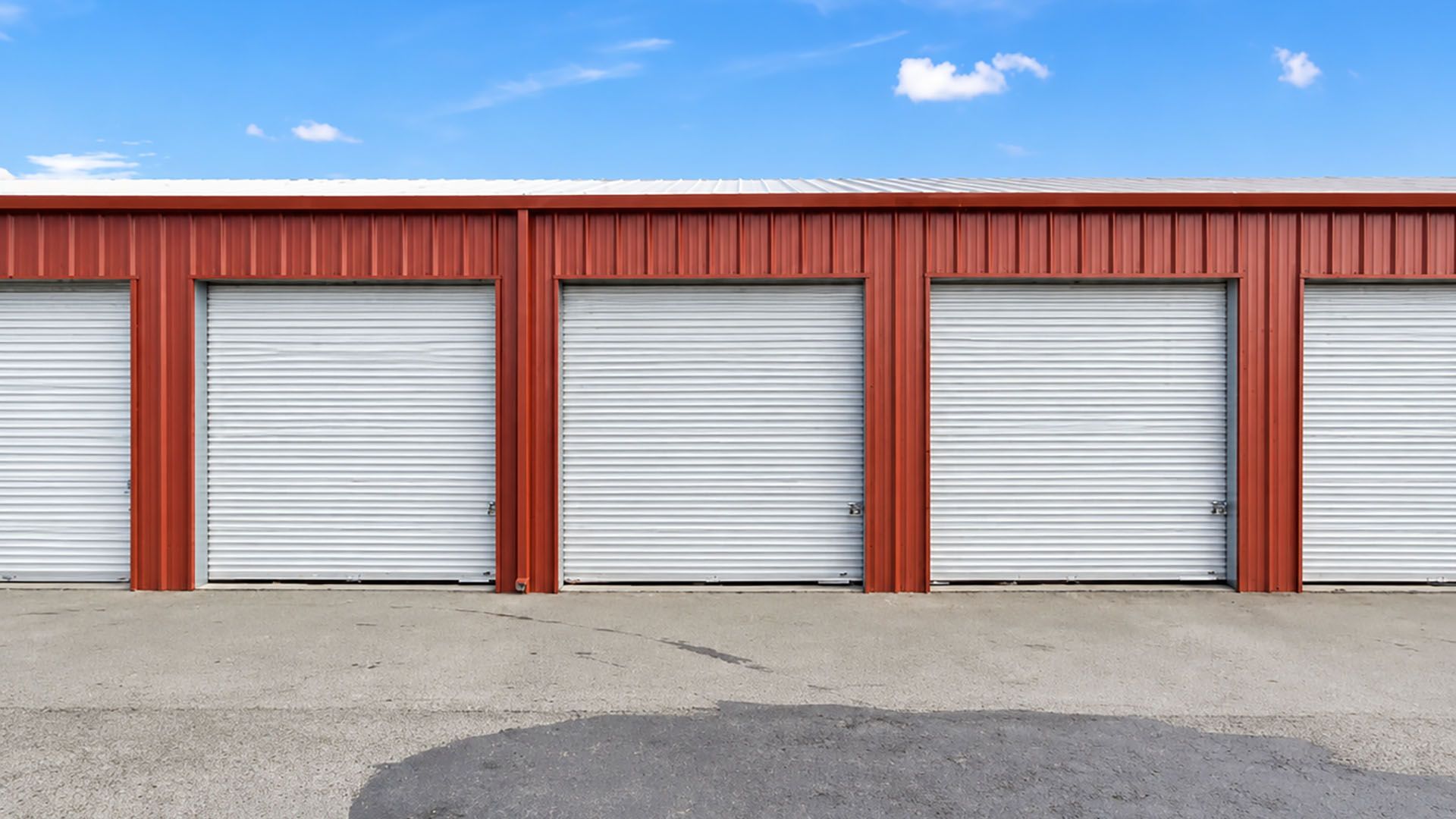
The good news is that careful preparation makes a difference. If you're comparing storage options in Half Moon Bay for furniture, Mission Storage offers drive-up, ground-floor units at our property at 201 Airport St. Those features are useful when you're moving heavy tables, dressers, cabinets, and other bulky pieces because you can bring your vehicle close to the unit. Before moving anything in, though, it's worth preparing the furniture itself. These ten steps focus on reducing moisture exposure, protecting finishes, and avoiding unnecessary stress on the piece.
1. Clean the furniture before storing it
Don't put a dusty or dirty piece straight into storage. Dirt left on a surface can hold moisture and abrade a finish, especially if something rubs against it while the furniture is being moved. The Canadian Conservation Institute recommends regular dusting with a slightly damp cloth as part of basic wood-furniture care. It also warns against assuming that wood needs to be “fed” with oils or similar treatments. Some furniture-care products leave residues or affect finishes over time. For everyday furniture, follow the manufacturer's cleaning instructions when you have them. Give the piece enough time to dry completely before wrapping or moving it. Putting damp furniture under a cover defeats the purpose of careful preparation.
2. Inspect joints, legs, and removable pieces
A loose leg or weak joint is easier to deal with before moving day than when a dresser is halfway out of a truck. Check the furniture for existing damage and identify parts that can safely be removed. The Canadian Conservation Institute recommends taking out removable drawers, shelves, and doors before furniture is moved. That reduces weight and keeps those pieces from shifting unexpectedly.
Don't use handles, arms, or decorative parts as lifting points unless they're designed to carry the weight. A chair, for example, is better lifted from the seat than from its back or arms. Furniture should be lifted rather than dragged, since dragging puts additional stress on legs and joinery.
3. Disassemble large furniture when it makes sense
Some tables, bed frames, shelving units, and similar pieces are safer and easier to store when partially disassembled. Only remove parts that were designed to come apart. Keep screws, bolts, brackets, and other hardware together in a labeled bag, then attach the bag securely to the corresponding piece or place it somewhere you'll remember. Taking a few photos during disassembly can also make reassembly easier later.
Don't dismantle glued joints or force apart components simply to save floor space. The goal is to reduce awkward dimensions without damaging the construction of the furniture. If you're storing several large pieces and aren't sure how much room they'll require, Mission Storage's guide to choosing a storage unit size is a useful starting point before you begin arranging everything.
4. Use breathable covers
Wrapping wood furniture tightly in plastic might seem like the safest way to keep moisture away, but an airtight covering can create a different problem if moisture becomes trapped inside. For ordinary furniture going into a unit, use clean, breathable furniture covers, cotton sheets, or similar materials to keep dust off the surface while allowing some air movement. Make sure the covering protects corners and finished surfaces without placing unnecessary pressure on delicate details. Plastic can still be useful during the move itself when protection from rain or splashes is necessary. Just don't leave damp furniture sealed beneath plastic for long-term storage.
5. Pay attention to humidity
This is the central issue when storing wood without climate control. Wood is porous and reacts to moisture in the surrounding air. According to the Canadian Conservation Institute's guidance on caring for wooden furniture, wood absorbs moisture as humidity rises and releases it as the air becomes drier. Those changes cause small amounts of swelling and shrinking. Over time, changes in humidity can contribute to cracking, splitting, or damage to finishes.
Smithsonian conservation research likewise identifies changes in temperature and relative humidity as important causes of furniture deterioration. A standard unit doesn't regulate those conditions. Preparation and placement therefore matter, but they don't make a non-climate-controlled space equivalent to a controlled environment. For antiques, valuable pieces, delicate veneers, or furniture with conservation concerns, get advice appropriate to the specific item before choosing where to keep it.
6. Keep furniture off the floor
Avoid placing wood directly on the unit floor when you can safely elevate it. A stable platform or other suitable barrier creates separation between the furniture and the floor. This is especially worth considering for wooden legs, feet, and lower panels that would otherwise remain in direct contact with the surface throughout storage.
Whatever you use underneath the furniture needs to support its weight evenly. Don't balance a heavy cabinet or table on an improvised setup that could shift or place excessive pressure on a few points. At Mission Storage, our Half Moon Bay property has ground-floor, drive-up access. You can bring your vehicle close to the unit rather than carrying bulky wood pieces through stairs or an interior hallway. The facility is also near Highway 1 in the Princeton by the Sea area, which is a useful local access point for renters moving furniture from Half Moon Bay, El Granada, or Miramar.
7. Leave room around the furniture
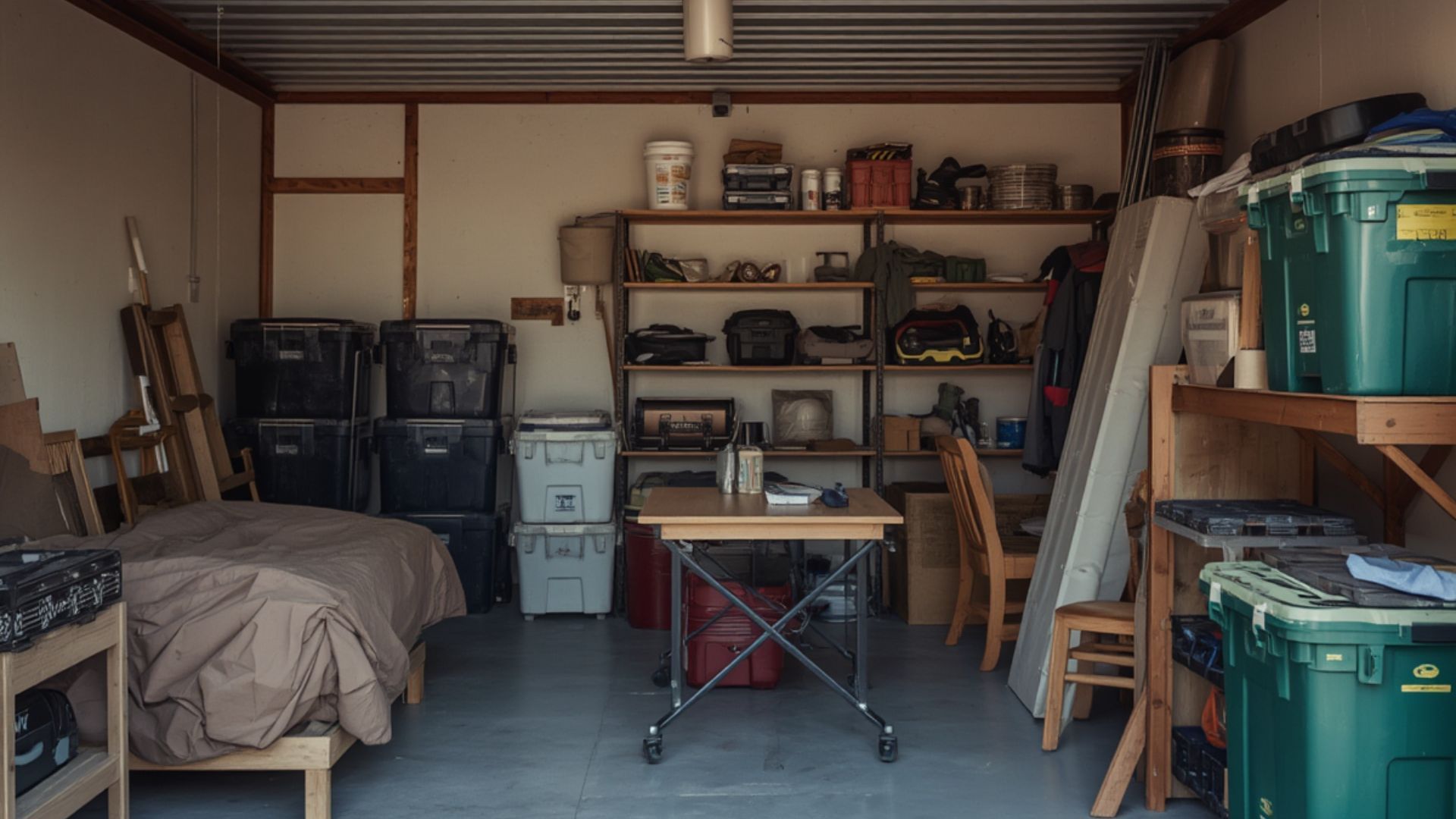
Packing a unit tightly might use every available inch, but wood furniture shouldn't be wedged against other heavy belongings. Leave enough room to move through the space and reach pieces without dragging boxes or equipment across them. A little separation also reduces the chance that a shifting box will scrape a finished surface or that you'll have to climb over furniture later.
This is one reason unit size matters. A smaller unit isn't necessarily the better choice if it forces you to stack belongings unsafely or makes retrieval difficult. If you're still comparing properties as well as sizes, our guide to what to look for in a Half Moon Bay storage facility covers practical factors such as access, property design, and security.
8. Don't stack heavy boxes on wood surfaces
A sturdy dining table looks like an obvious place for boxes. For long-term storage, resist the temptation. Heavy objects can put prolonged pressure on a tabletop, shelf, or other finished surface. Boxes can also shift during a visit and leave scratches or dents. If you need to use vertical space, arrange the unit so weight is carried by shelving or items designed to support it. Keep furniture covers in place and avoid leaning hard or sharp objects against finished wood. Mission Storage's Half Moon Bay units have tall ceilings, and several units have mezzanines that provide additional overhead room. If you're considering one of these units, confirm current availability before planning your layout around that feature.
9. Store pieces in stable positions
Furniture is usually safest when supported in a position that doesn't strain its joints. Keep cabinets upright rather than balancing them at an angle. Don't rest a heavy table on a delicate edge simply because it takes up less room that way. If you've removed a tabletop or another large flat component, make sure it's cushioned and positioned so it won't slide or be struck by other belongings. Be particularly careful with pieces containing glass, stone, mirrors, or fragile decorative elements. Those materials may need separate handling from the wooden frame.
The Canadian Conservation Institute recommends transporting cabinets empty and upright, and cushioning furniture so pieces don't knock against one another during transit. That same principle is useful when arranging the unit: stable support is more important than squeezing another few inches out of the space.
10. Check the furniture during long-term storage
Furniture stored for months shouldn't necessarily be treated as something you pack once and forget. During a visit, look for changes such as new cracking, warping, staining, musty odors, pest activity, or moisture where it shouldn't be. Finding a problem early gives you a chance to move the piece or reconsider how it's being stored. Access matters if you plan to make these periodic checks. At our Half Moon Bay property, customer access hours are currently 6:00 a.m. to 9:00 p.m. Monday through Sunday, while office hours are 9:00 a.m. to 5:00 p.m. Monday through Friday.
Choose the space with the furniture in mind
Non-climate-controlled storage requires some judgment with wood furniture. Cleaning and drying each piece, protecting the finish with breathable materials, keeping furniture stable and off the floor, and leaving enough room to retrieve it safely all reduce avoidable risks. They don't replace environmental control, particularly for valuable or sensitive furniture.
The unit itself should also fit the way you'll move and arrange those pieces. At Mission Storage in Half Moon Bay, drive-up and ground-floor access can reduce the amount of carrying involved with bulky furniture, while tall ceilings provide room to plan the space vertically without loading boxes directly onto wooden surfaces. If those features fit what you're storing, you can explore storage options from Mission Storage and review the Half Moon Bay property information before deciding how much space you'll need.